Ever looked at an old photograph and noticed how much your skin has changed over the years? That same weathered wisdom in our residents comes with added risks, especially when it comes to skin cancer in older adults. A recent study in JAMA Dermatology revealed some alarming numbers: in 2021 alone, people aged 65 and older faced over 150,000 cases of melanoma, about 1.5 million squamous cell carcinoma diagnoses, and 2.8 million cases of basal cell carcinoma.
And those numbers are expected to grow by nearly three times as the aging population expands. The study, led by Dr. Jin Chen of Chongqing Medical University, noted that men and those living in countries like the U.S., Australia, and New Zealand are particularly vulnerable. You can read more in the full JAMA Dermatology report titled “Burden of Skin Cancer in Older Adults From 1990 to 2021 and Modelled Projection to 2050”.
Even more concerning is that skin cancer in older adults tends to be diagnosed at later stages. Why? Changes in memory, vision, or mobility can delay detection. Combine that with a lack of access to on-site dermatologists in senior living communities, and we have a serious challenge on our hands.
So, what can communities do?
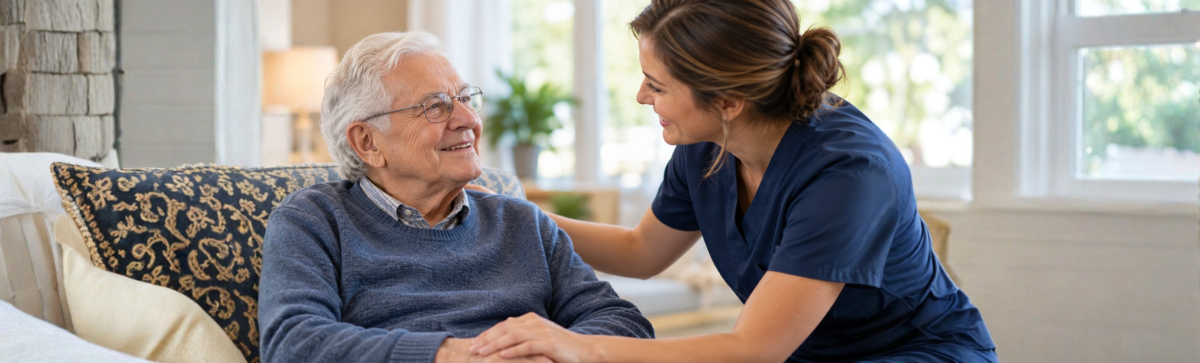
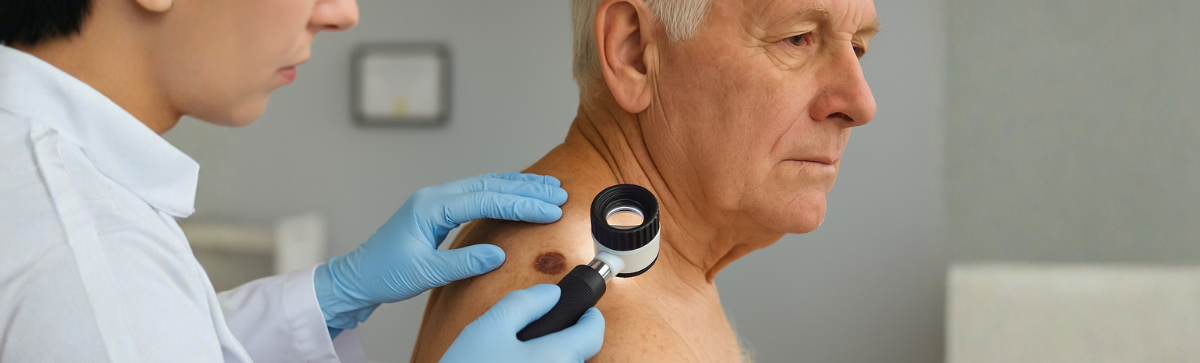
Start by putting more trust in the people who see your residents every day—your caregivers. They’re your best resource for spotting subtle changes, especially when trained on what to look for. It’s not just about bruises or pressure areas anymore. A mole that changes color or a dry patch that doesn’t heal could be the early sign of something serious.
Encourage staff to report any change in skin appearance, no matter how minor it seems. Education is key. When melanoma is caught early, the survival rate can be as high as 99%. But when it’s overlooked? The odds drop fast. And if someone’s had five or more sunburns in their life, their risk of melanoma doubles.
Ultimately, prevention starts with awareness. Tailoring early detection strategies to high-risk older populations is essential, just as researchers suggest. You may not have access to a full dermatology practice but with an observant, informed care staff, you can still stay one step ahead.
Stay well and stay informed!