
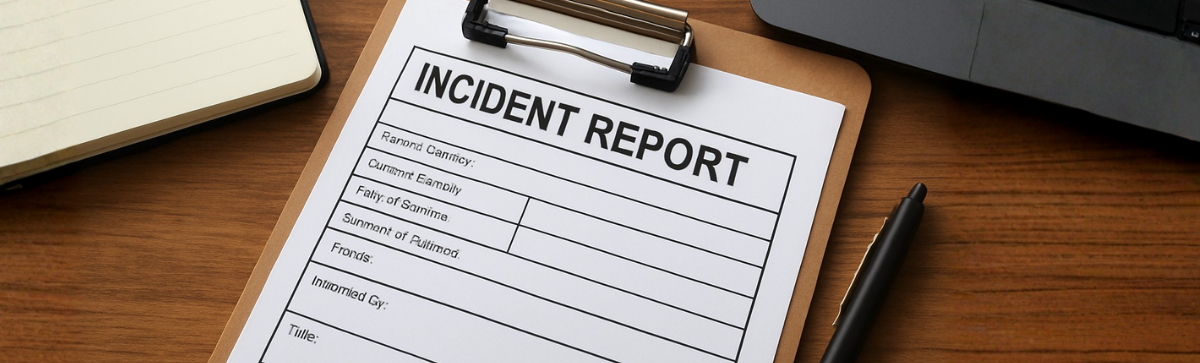
Ever feel like the words “incident report” come with a weight of worry? I sure have. There’s nothing more gut-dropping than hearing a staff member say, “Something happened,” especially when it involves a resident. But how we respond, and how we report, can make all the difference. And when it comes to incident reporting in senior living communities, New York is raising the bar.
In response to federal attention and increased scrutiny of elder abuse cases, like those highlighted in McKnight’s annual Justice Department report, the New York State Department of Health is stepping up its game with new education and tools. And thankfully, they’re not leaving us to figure it out alone.
A recent webinar hosted by the Department of Health walks providers through the who, what, when, and how of incident reporting. If you haven’t already, I highly recommend watching the full session, available here through WebEx, and reviewing the accompanying slides and summary from LeadingAge New York.
The updated process includes a detailed follow-up survey requirement. Providers can access this through the Incident Follow-Up Form and the original Incident Report Form. These aren’t just forms to check off, they are tools to ensure that our communities are held accountable while centering the well-being of every resident involved.
One particularly helpful resource is the Notification from DOH outlining the latest guidance and timelines. It’s a must-read, especially for administrators who are juggling both care quality and regulatory compliance.
We can’t always prevent an incident, but we can certainly respond to it with clarity, compassion, and a commitment to doing better. We owe that to our residents and to each other. So let’s train our staff, review the protocols, and use the tools we’ve been given. Incident reporting in senior living communities doesn’t have to be daunting, it can be an opportunity for improvement.
Stay well and stay informed!
Related Posts
Angie Szumlinski
|
April 1, 2026