
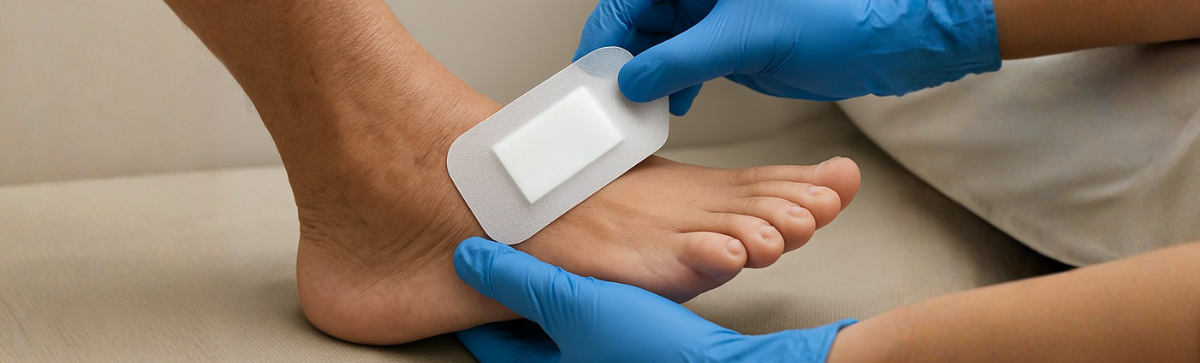
You know the drill—how many times has a resident struggled with a diabetic foot ulcer that just won’t heal? Chronic wounds in diabetic residents are all too familiar. These are wounds that haven’t made any meaningful healing progress in four to 12 weeks, and they can take a serious toll on residents and caregivers alike.
The most common chronic wound we see in senior living communities is the diabetic foot ulcer, especially on the sole of the foot. Startlingly, research from the American Diabetes Association shows that one in four people with Type 2 diabetes will develop a foot ulcer, and more than half of those ulcers become infected. It’s no wonder these wounds often spiral into a vicious cycle of infection, antibiotics, and frustration.
“An active infection is the most common complication that prevents the wound from healing and closing,” explained Melanie Spero, assistant professor of biology at the University of Oregon’s College of Arts and Sciences. She adds that chronic infections often require long-term antibiotic use, which can lead to serious side effects and disrupt gut health. You can read more about her research in this Applied and Environmental Microbiology article from the University of Oregon.
Here’s where things get exciting. Researchers recently discovered that combining a small amount of chlorate with standard antibiotics was 10,000 times more effective at killing the bacterial cells that thrive in chronic wounds. Although chlorate alone doesn’t do much, pairing it with traditional antibiotics greatly reduced the dosage needed to fight persistent infections like Pseudomonas aeruginosa. McKnight’s Clinical Daily reports that this breakthrough may give clinicians a new way to treat hard-to-heal wounds while reducing side effects.
It might be time to bring this up at your next clinical meeting. Just think of the many residents over the years who could’ve benefited from a new approach to treating chronic wounds in diabetic residents.
Stay well and stay informed!