
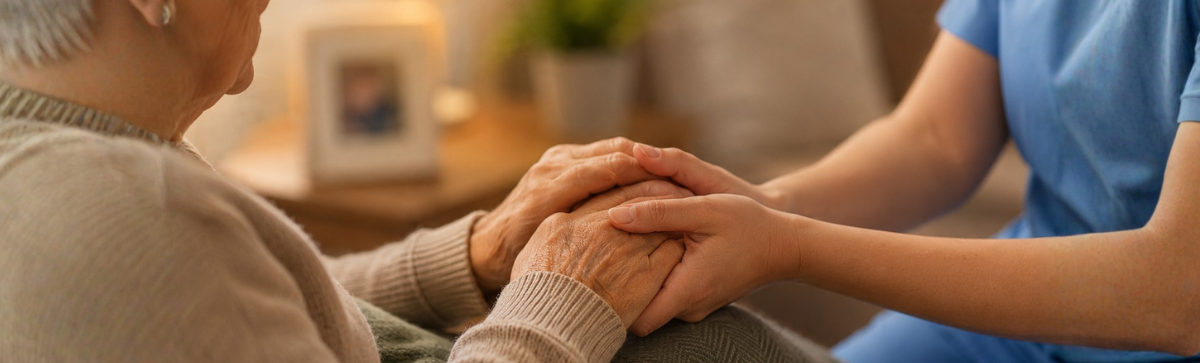
Dementia is a progressive, neurodegenerative disease affecting approximately 57 million people worldwide. Understanding the relationship between dementia and palliative care is becoming increasingly important as more residents live longer with this life-limiting illness. As the disease advances, residents often require additional support with activities of daily living, including continence, personal care, and management of neuropsychiatric symptoms. However, many individuals living with dementia still face barriers when accessing high-quality palliative care.
Recent research highlights the importance of identifying palliative care needs early in residents living with dementia. Studies suggest that early recognition can reduce unscheduled hospitalizations and encourage greater engagement with primary and community-based support services. When caregivers identify residents in the last months of life sooner, they can often avoid hospital admissions and medical interventions that add burden without improving quality of life.
Dementia remains a leading cause of death among residents living in senior care settings. Early recognition of those approaching end of life allows caregivers and families to plan ahead while respecting each resident’s preferences and goals of care. Researchers have conducted relatively little research on dementia prognosis and life expectancy, making these conversations difficult but increasingly important.
The growing evidence surrounding dementia and palliative care reinforces the need for proactive planning and resident-centered decision-making. While predicting life expectancy remains challenging, communities that prepare early can focus on comfort, dignity, and care that aligns with each resident’s wishes throughout the progression of the disease.
Stay well and stay informed!