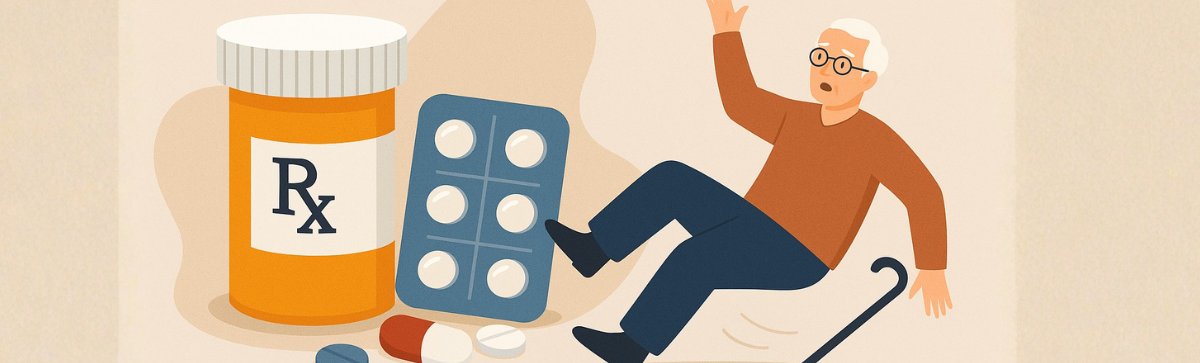

Have you ever seen a “common” medication become so familiar it nearly disappears on the med list? Gabapentin risk awareness in senior living communities matters for that very reason, because familiarity can blur our vigilance.
Recently, a study published online in Regional Anesthesia & Pain Medicine connected heavier gabapentin prescribing for chronic low back pain with higher rates of later dementia and mild cognitive impairment diagnoses. It’s observational, so it can’t prove cause-and-effect. However, it does nudge us to document cognition changes early and to share patterns promptly, especially when a resident’s alertness or steadiness shifts after a start or dose change.
Because staff are juggling a lot, it helps to have a quick, plain-language summary ready for education and med review discussions. That’s why the recent roundup from MedPage Today’s coverage of the newer research can be useful when you’re explaining what the headlines mean in day-to-day terms.
So what should we watch for right away? First, look for new fogginess, extra sleepiness, or a resident who seems less steady after a start or dose change. Additionally, note the timing in your documentation, because those details help the prescriber decide whether the regimen still fits the resident.
Also, keep an eye out for swelling, since it can trigger a chain of additional medications and added fall risk. Therefore, when swelling appears, describe it clearly, track weight trends, and escalate concerns sooner rather than later.
And if you’re coaching staff on what to monitor and what to report, the earlier background piece from MedPage Today’s pain management reporting can support those quick “here’s what we’re watching for” conversations during shift change.
Stay well and stay informed!