Do you remember being bullied as a child? If not, you were one of the lucky few who escaped childhood without having experienced it. Bullying in senior living communities may not be the first thing that comes to mind, but it happens more often than people realize. Recently, AHCA/NCAL published a resource outlining how bullying presents among older people and what providers should be aware of, and it offers some eye-opening insight. According to the federal government, bullying is defined by three core elements: unwanted aggressive behavior, a real or perceived power imbalance, and repetition of the behavior or a strong likelihood that it will continue.
Studies suggest that most resident-to-resident aggression in long-term care settings is verbal abuse. Interestingly, people are equally likely to be the victim or the aggressor, regardless of gender. That alone challenges some of the assumptions we tend to make.
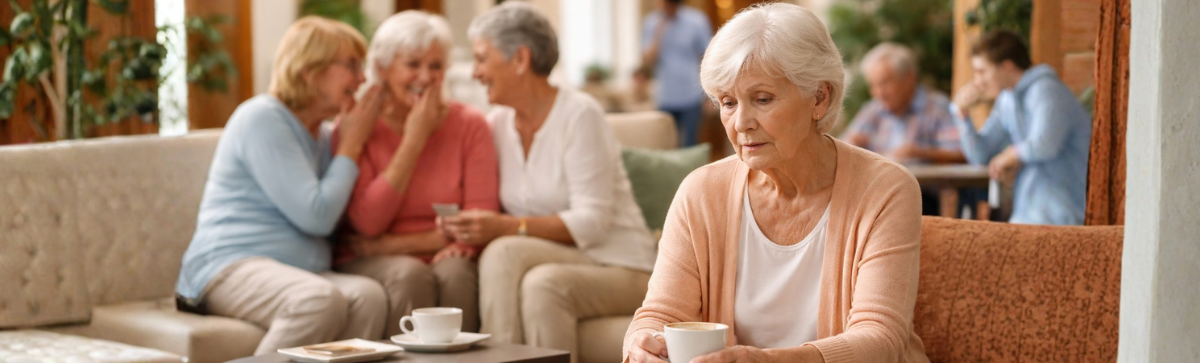
I remember when my mom lived in a senior community. It was a lovely place with a private apartment, two bedrooms, and two baths. It felt like a dream come true. But as they say, hindsight is 2020. I recall walking through the front lobby and asking her why she did not say hello to a group of women nearby. Her response stuck with me. She said they picked on people by gossiping about them. That may sound minor at first, but gossiping is a form of bullying. Cliques are also a form of bullying. And both were happening regularly in her community.
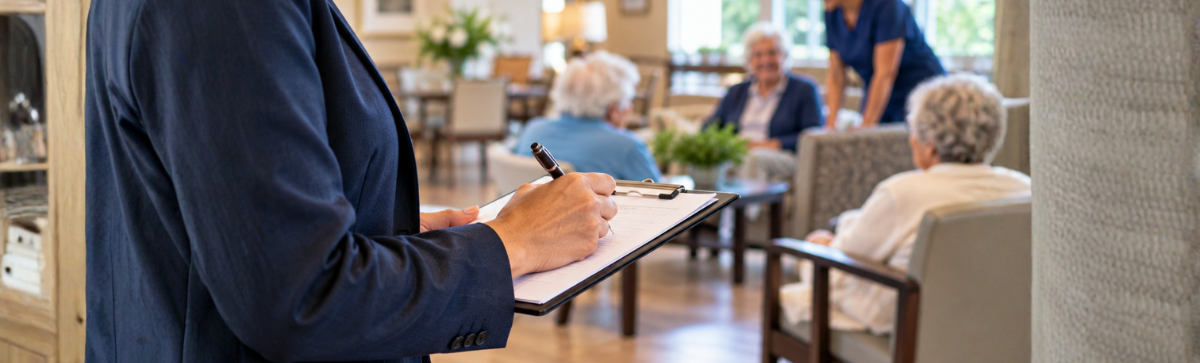
At the end of the day, people are people. Age does not eliminate behavior patterns, and in some cases, those behaviors become more pronounced over time. Take a walk through your community and observe what is really happening. Are residents engaging in behaviors that fall under bullying but go unrecognized because they are subtle or normalized? Are staff identifying these patterns, or are they slipping under the radar?
Start the conversation. Talk to your residents. Ask direct questions and be prepared for honest answers. You cannot place a resident in time out, but you can address behaviors directly. Sometimes a frank discussion about how their actions affect others can shift awareness and improve interactions.
Recognizing bullying in senior living communities is the first step. Taking the time to address it thoughtfully can make a meaningful difference in daily life for residents.
Stay well and stay informed!